
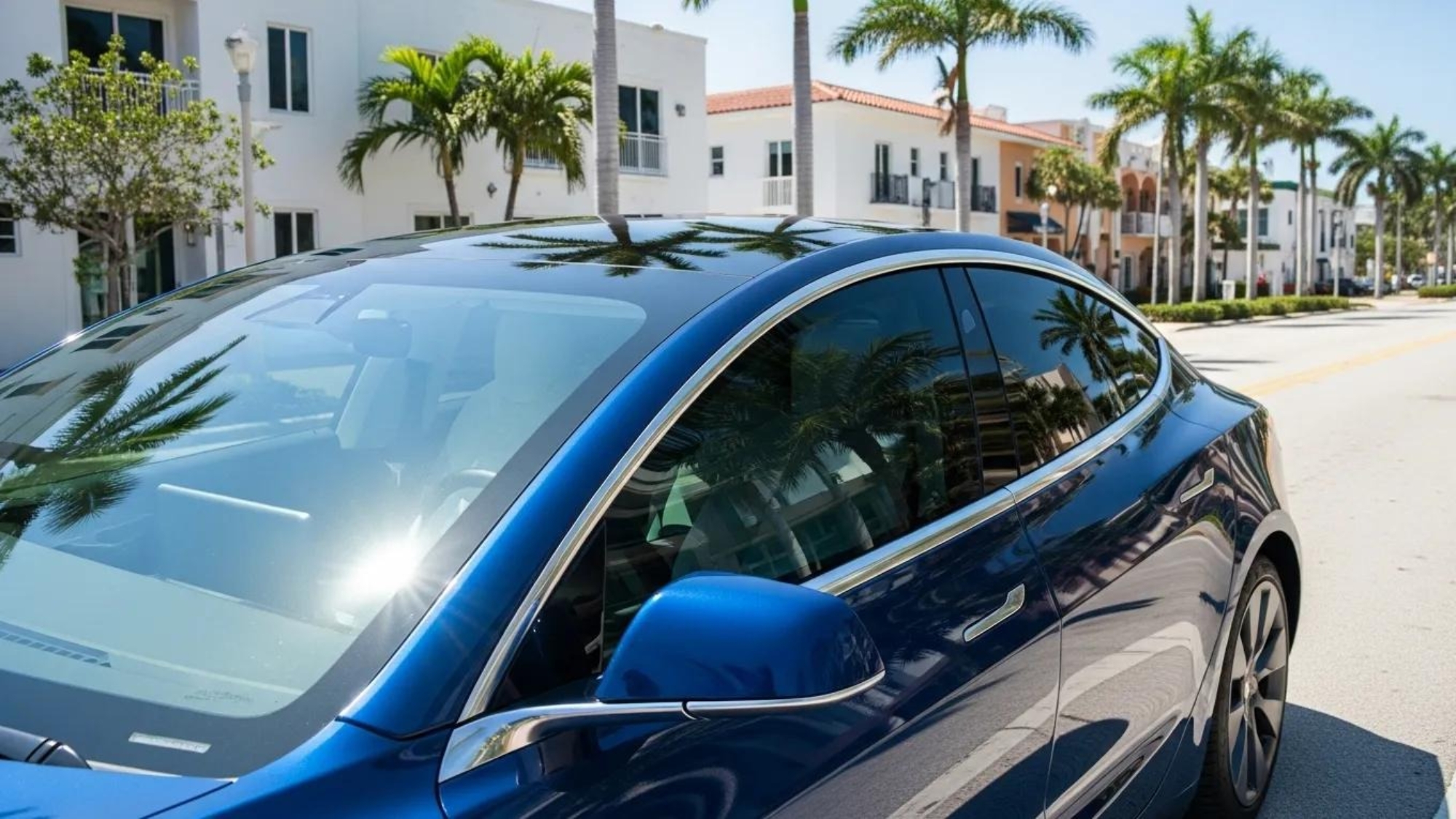
Delray Beach’s intense sun exposes Tesla interiors to heat and UV stress. Choosing between ceramic and carbon window tints affects cabin comfort and material longevity. This article compares their heat rejection and durability so Tesla owners can choose the best option for their vehicle and lifestyle. By reviewing how each tint works, how they perform in extreme heat, and the value they deliver, you’ll be equipped to decide confidently.
This discussion covers heat rejection, durability, and the specific advantages of ceramic tinting. We’ll also examine how Delray Beach’s climate affects tint performance and why heat rejection matters for Florida Teslas. Finally, we’ll note how NDPRO , a premium automotive customization company, provides expert installation for optimal results.
Heat Rejection Capabilities:
Heat rejection is a primary concern for vehicle owners. A tint’s ability to block infrared heat directly affects cabin comfort and the service life of interior materials.
Ceramic Window Tinting:
Ceramic tints use advanced ceramic technology to block a large proportion of infrared heat while allowing visible light through. The result is a cooler cabin, improved passenger comfort, and reduced reliance on air conditioning. That efficiency makes ceramic a popular choice among Tesla owners seeking performance and comfort.
Carbon Window Tinting:
Carbon tints deliver good heat rejection but typically less than ceramic. They block UV rays and reduce glare, offering privacy and protection from sun exposure. For owners seeking a more budget-conscious option, carbon provides a solid compromise between cost and performance.
Durability:
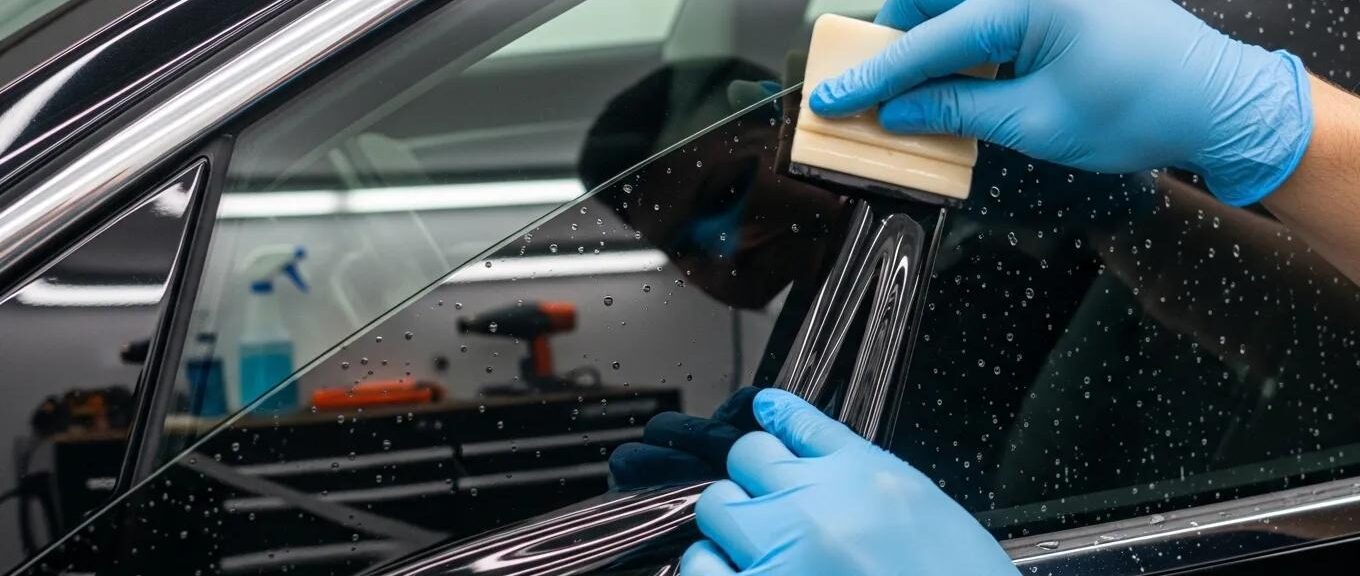
Durability is a key factor when selecting tint for a Tesla. A resilient film better resists environmental stress and maintains performance and appearance over time.
Ceramic Window Tinting:
Ceramic films are highly durable and resistant to fading, so they retain appearance and performance for years. They also avoid interference with electronic signals, which is important for vehicles with advanced sensors. That durability reduces the need for early replacements.
Carbon Window Tinting:
Carbon tints are durable and fade-resistant, but they may not match ceramic’s long-term longevity. Under constant sun exposure they can show gradual degradation, so owners should factor expected lifespan into their choice.
What Are the Key Differences Between Ceramic and Carbon Window Tints for Tesla Vehicles?
Knowing the key differences helps you pick the right film. Each material offers distinct performance characteristics that suit different priorities.
How Do Ceramic and Carbon Tints Differ in Material Composition and Technology?
Ceramic tints contain ceramic particles that deliver strong heat rejection and UV protection. Carbon tints contain carbon particles that offer good heat rejection but are less effective at blocking infrared heat. This material difference drives their real-world performance gap.
What Are the Heat Rejection and UV Protection Ratings of Each Tint Type?
Heat rejection and UV protection ratings are critical measures. Ceramic tints generally score higher in both metrics, making them the preferred option for owners prioritizing comfort and protection. Carbon tints remain effective but typically have lower ratings.
How Does Delray Beach’s Climate Impact the Performance of Tesla Window Tints?
Delray Beach’s hot, humid climate increases heat buildup and UV exposure in vehicles. Films with superior heat rejection are essential to preserve interior comfort and material integrity. Both tint types are designed to withstand these conditions, though ceramic often performs better in extreme heat.
Why Is Heat Rejection Critical for Tesla Owners in Florida?
Effective heat rejection keeps the interior cooler during long, hot summers and helps preserve upholstery, trim, and electronics from fading and deterioration. That protection maintains the vehicle’s appearance and can support resale value.
How Do Ceramic and Carbon Tints Withstand Prolonged UV Exposure in Delray Beach?
Both film types offer UV protection, but ceramic films typically block a higher percentage of harmful UV rays. That extra protection reduces skin exposure and slows interior fading—important in a sunny location like Delray Beach.
What Are the Benefits and Cost Considerations of Ceramic Window Tinting for Tesla?
Ceramic window tinting delivers benefits that often justify its higher price, including:
- Enhanced UV Protection : Ceramic tints block a significant percentage of harmful UV rays, protecting both passengers and the vehicle’s interior.
- Superior Heat Rejection : The advanced technology used in ceramic tints provides better heat rejection, leading to a cooler interior and reduced energy consumption.
- Durability : Ceramic tints are highly resistant to fading and do not interfere with electronic signals, making them ideal for modern vehicles.
| Benefit | Description | Cost Consideration |
|---|---|---|
| Enhanced UV Protection | Blocks harmful UV rays | Higher initial investment |
| Superior Heat Rejection | Maintains cooler interior | Long-term energy savings |
| Durability | Resistant to fading | Lower replacement frequency |
For Tesla owners looking for the best performance and longevity, Tesla window tinting is often worth the investment.
How Does Ceramic Tint Enhance Tesla’s Appearance and Sensor Compatibility?
Ceramic tint improves functionality and appearance. Its sleek finish complements Tesla design, and because it doesn’t disrupt electronics, vehicle sensors and automatic features continue to operate correctly.
Is Ceramic Tint Worth the Investment Compared to Other Options?
The higher upfront cost is offset by long-term advantages for many owners. Improved durability, heat rejection, and UV protection can reduce energy and maintenance expenses over time. For those prioritizing performance and longevity, ceramic is a sound investment.
What Durability and Maintenance Factors Should Tesla Owners Consider with Carbon Window Tint?
Carbon tint requires routine care to extend its service life. Though resistant to fading, it may need replacement sooner than ceramic. Regular cleaning and inspection will help preserve appearance and performance.
How Does Carbon Tint Perform Over Time Under Florida Heat?
Carbon tints perform well initially but can lose effectiveness faster under intense sunlight. Prolonged exposure may lead to fading and reduced heat rejection, so owners should monitor condition and plan replacements as needed.
What Are the Cost Advantages and Longevity Expectations of Carbon Tint?
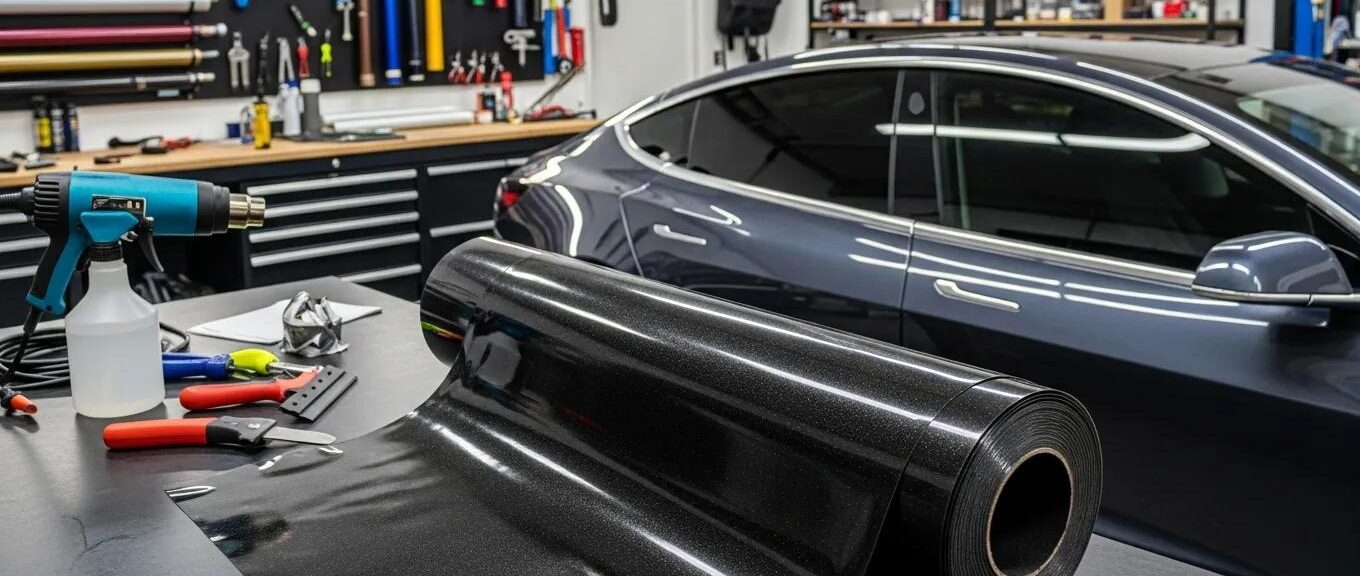
Carbon tinting usually has a lower initial cost than ceramic, but its shorter expected lifespan can mean replacement expenses later. Weigh the upfront savings against long-term performance when deciding.
| Tint Type | Initial Cost | Expected Lifespan | Performance |
|---|---|---|---|
| Ceramic | Higher | 10+ years | Excellent |
| Carbon | Lower | 5-7 years | Good |
This comparison clarifies the trade-offs between cost and performance so Tesla owners can choose based on budget and priorities.
How Does NDPRO Ensure Expert Installation and Optimal Results for Tesla Window Tinting?
NDPRO is a Delray Beach-based premium automotive customization company specializing in vehicle wraps, paint protection film, and window tinting. Their installation expertise helps Tesla owners maximise the benefits of their chosen film. NDPRO’s trained technicians use quality materials and refined techniques to deliver consistent results.
What Professional Training and Certifications Support NDPRO’s Installation Quality?
NDPRO’s team completes comprehensive training and follows industry standards to ensure each installation meets high quality benchmarks. That commitment shows in client satisfaction and the lasting performance of their work.
How Does NDPRO Tailor Tint Solutions to Specific Tesla Models and Local Climate?
NDPRO tailors tint packages to each Tesla model and to Delray Beach’s climate. By matching film selection and installation methods to vehicle requirements and local conditions, they optimise both appearance and performance.
Which Tesla Window Tint Type Holds Up Best in Delray Beach Heat: Ceramic or Carbon?
In Delray Beach heat, ceramic tint generally holds up better. Its superior heat rejection and UV protection help maintain cabin comfort and protect interior materials. Carbon remains a cost-effective alternative but may not match ceramic under extreme conditions.
What Do Recent Studies and Customer Testimonials Reveal About Tint Performance?
Recent studies and customer feedback show ceramic tints typically outperform carbon in heat rejection and UV protection. Many Tesla owners report greater comfort and lower interior temperatures after installing ceramic films, supporting the case for higher-quality tint.
How Should Tesla Owners Choose Between Ceramic and Carbon Tints Based on Their Needs?
When choosing between ceramic and carbon, evaluate the factors that matter most to you:
- Budget : Determine how much you are willing to invest in window tinting.
- Performance Needs : Assess your priorities regarding heat rejection and UV protection.
- Longevity Expectations : Consider how long you plan to keep your vehicle and the expected lifespan of the tint.
Assessing these points lets Tesla owners select a tint that aligns with their needs and long-term plans.
If you’re ready to take the next step, contact NDPRO today to discuss your options and schedule an installation.
Frequently Asked Questions
What are the legal regulations regarding window tinting in Florida?
Florida law sets visible light transmission (VLT) limits for vehicle windows. For passenger vehicles, the front windshield and front side windows must allow more than 28% VLT; rear side and back windows may be darker. Tint rules can vary by county, so check local regulations to ensure compliance.
How can I maintain my window tint after installation?
Do not clean windows for at least 30 days after installation to let the adhesive cure. After that, use a soft cloth and an ammonia-free cleaner. Inspect for bubbles or peeling and consult a professional if you see issues. Proper care extends tint life and appearance.
Can window tinting affect my Tesla’s warranty?
Properly installed tint normally does not void a Tesla warranty. Still, check warranty terms with Tesla or your dealer for specifics. Using a professional installer like NDPRO, which follows industry standards, reduces the risk of installation-related damage.
What are the environmental impacts of window tinting materials?
Environmental impacts vary by material. Ceramic films often avoid dyes or metals found in some alternatives, and reduced air conditioning use can lower vehicle energy consumption. Consider manufacturers’ sustainability practices and the recyclability of films when choosing.
How does window tinting affect visibility at night?
Very dark tint can reduce night-time visibility. Ceramic films generally transmit more visible light than darker carbon options, offering a better balance of visibility and protection. Many manufacturers design films to preserve visibility while providing heat rejection and UV protection.
Are there any health benefits associated with window tinting?
Yes. High-quality films can block up to 99% of harmful UV rays, protecting passengers’ skin and reducing long-term sun damage. Reduced glare also lessens eye strain, which improves comfort during driving in sunny regions like Florida.
What should I consider when choosing a professional installation service for window tinting?
Look for installers with proven experience, positive customer reviews, and quality materials. Verify training and certifications, and ask about warranties on both film and installation. A reputable provider, such as NDPRO, will offer a detailed consultation to match solutions to your needs.
Conclusion
Choosing between ceramic and carbon tint depends on priorities. Ceramic delivers superior heat rejection and durability for long-term comfort and protection; carbon offers a more affordable option with respectable performance. Contact NDPRO to evaluate the best tint solution for your Tesla and arrange professional installation.
Add a Comment